Signs You Need Lawn Pest Control Services Cape Coral FL Right Away
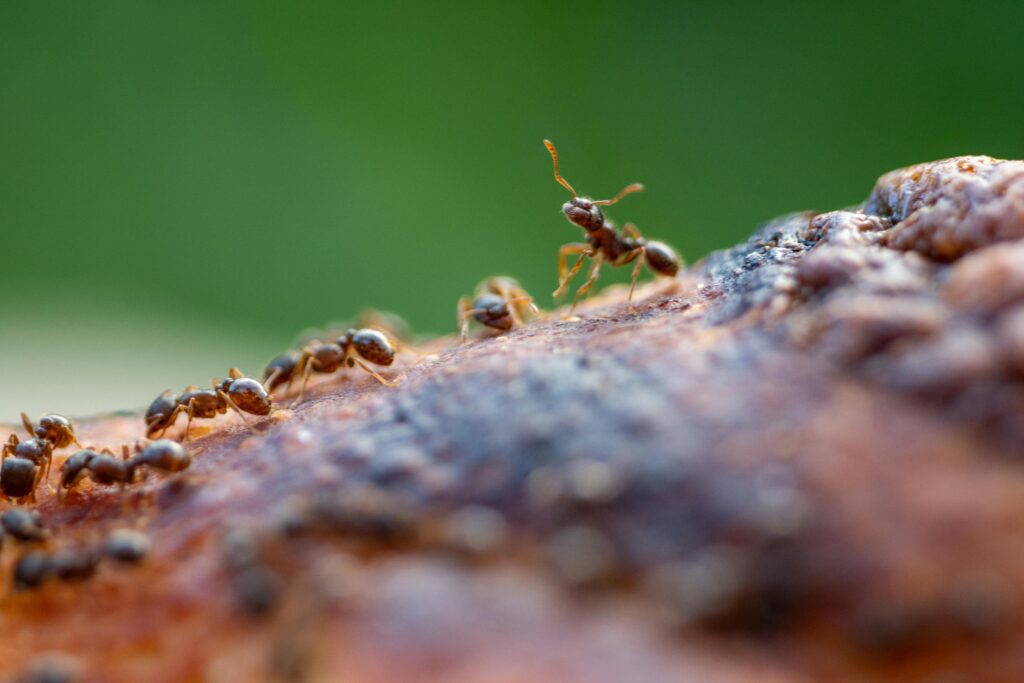
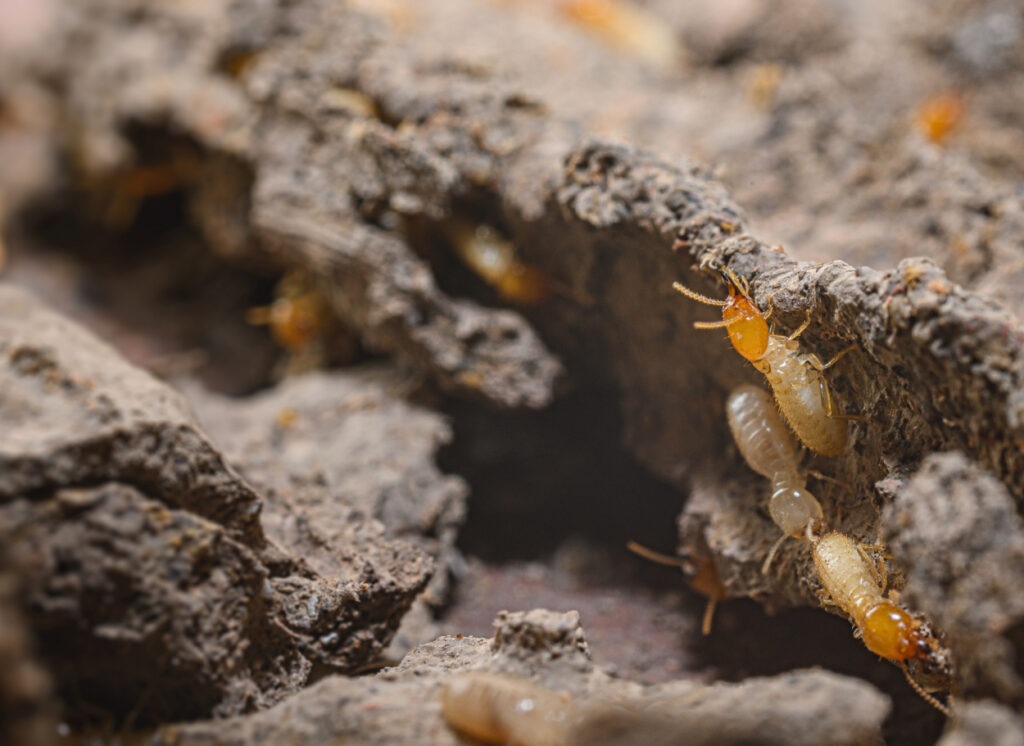
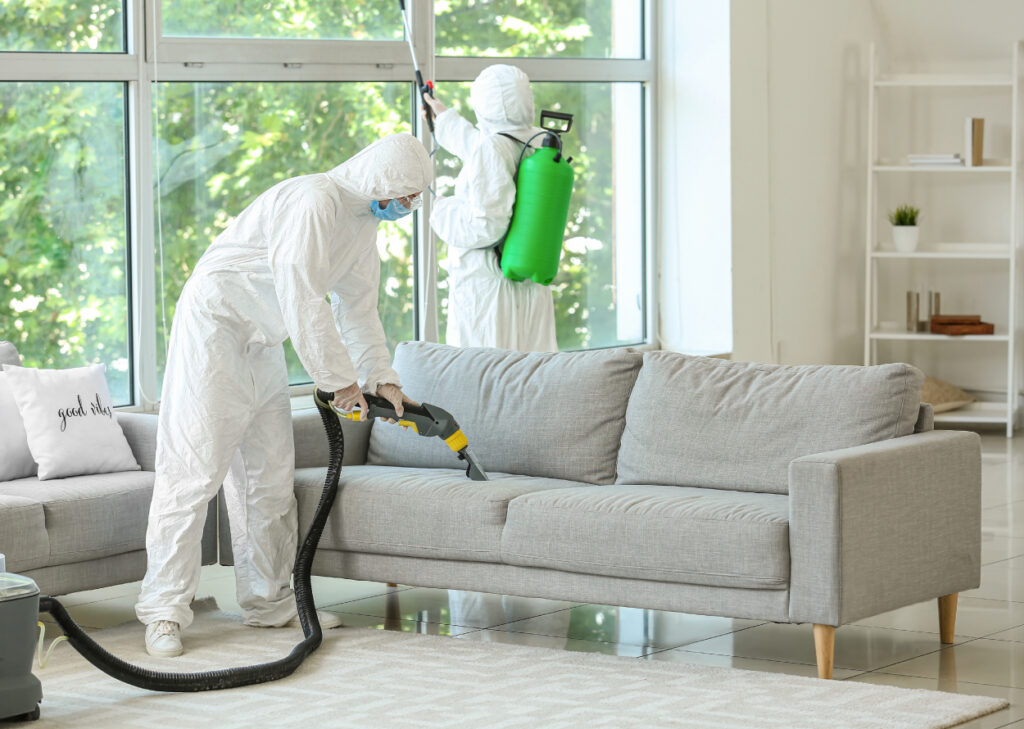
A healthy lawn in Cape Coral can look fine on Monday and noticeably worse by the weekend. That is not an exaggeration. In Southwest Florida, warm temperatures, steady humidity, sandy soil, and long growing seasons create ideal conditions for turf pests to move fast. Homeowners often assume brown patches, thinning grass, or weak growth come down to watering problems or fertilizer timing. Sometimes that is true. Just as often, the real issue is active insect pressure under the surface or along the blades.
The problem with waiting is simple. Lawn pests rarely stay contained to a neat little spot. By the time obvious damage appears, the infestation may already be well established. A lawn that could have been corrected with targeted treatment and monitoring can become a much larger restoration job involving sod replacement, soil recovery, and months of follow-up care.
If you have been wondering whether it is time to call for Lawn Pest Control Services Cape Coral FL, there are specific warning signs worth taking seriously. Some are visible from the sidewalk. Others show up when you walk the yard, test the roots, or notice how the lawn responds after normal maintenance. The key is knowing what separates ordinary stress from pest damage that needs immediate attention.
When a lawn problem is no longer just a lawn problem
In Cape Coral, turf struggles do not happen in a vacuum. Weather patterns, irrigation schedules, fertilizer use, mowing habits, soil compaction, and insect activity all overlap. That is why misdiagnosis is common. A homeowner sees discoloration and waters more. Another puts down extra fertilizer. Someone else assumes the lawn is dormant, even though true dormancy is not typically the issue in this climate.
Pests complicate everything because their damage mimics other turf problems. Chinch bugs can make grass look drought-stressed. Grubs can create patches that resemble disease or poor irrigation. Mole crickets can thin a lawn so gradually that people blame foot traffic or weak soil. Meanwhile, the insects keep feeding.
A good lawn technician does not just treat symptoms. They look for patterns, root integrity, feeding signs, timing, and turf species response. That kind of judgment is what professional Lawn Pest Control Services are built around. Fast action matters most when the clues point to active feeding rather than a one-time stress event.
Brown patches that keep spreading despite watering
This is one of the clearest signs that you may need help right away. If an area of turf turns straw-colored or bronze and seems to enlarge even after proper irrigation, pests should move high on the suspect list.
In Cape Coral, chinch bug damage is a familiar example. These insects often attack St. Augustine grass, one of the most common turf types in Florida. The affected area may first look dry, especially near sidewalks, driveways, or sunny sections where heat builds up. Homeowners often respond by adding water. The lawn does not bounce back. Then the patch expands.
That spread pattern matters. Most watering issues improve, or at least stabilize, once moisture is corrected. Pest damage tends to advance. The border between healthy and damaged turf may look surprisingly distinct. In practical terms, that means you can sometimes see healthy green grass right next to grass that appears scorched. That sharp transition is not a guarantee of insects, but it is a reason to stop guessing and get the site inspected.
I have seen lawns where the owner swore the sprinkler system had failed, only to find that the irrigation coverage was perfectly adequate. The insects were feeding in the crown and thatch layer while the owner kept adding water, which sometimes made other problems worse. Once you are in that cycle, delay costs you twice, first from turf loss, then from wasted effort.
Grass that lifts up easily, almost like loose carpet
Healthy turf anchors itself. Even in sandy Florida soils, the root system should offer resistance when you tug at damaged grass. If a patch pulls up with very little effort, the roots may already be gone or severely compromised.
This is the classic red flag for grub activity, though root decline can also come from disease or prolonged saturation. The difference is that grub damage often leaves turf detached from the soil because the larvae feed directly on the roots. You are not just looking at a discolored surface. You are looking at grass that has lost its hold.
In a yard inspection, this is one of the quickest checks a technician can do. If the turf peels back and the root zone looks chewed or sparse, immediate treatment becomes a time-sensitive decision. Raccoons, armadillos, or birds scratching at the lawn can reinforce that suspicion because they often dig for larvae.
What homeowners sometimes miss is the recovery timeline. Once the root system is significantly eaten away, even effective treatment does not restore the lawn overnight. The pests may be stopped quickly, but the turf still has to regrow and re-establish. That is why waiting until large sections detach from the soil usually means a slower and more expensive recovery.
Thinning turf with no obvious reason
Some pest problems do not announce themselves with dramatic dead circles. Instead, the lawn just loses density. It starts to look tired. Bare spots increase. Weeds get more opportunity to move in. The color might stay decent for a while, which makes the decline easier to ignore.
Mole crickets often create this kind of damage. Their tunneling disrupts roots and dries out the upper soil profile. The lawn can feel spongy in places or show subtle raised ridges. At first glance, it may seem like minor wear. Over time, the thinning becomes widespread.
This is where experience matters. A professional who works regularly with Lawn Pest Control Services in Cape Coral FL can often spot the difference between normal seasonal stress and turf that is being undermined from below. Timing is also important. Certain pests are more active in particular parts of the year, and treatment windows may be more effective at one life stage than another.
Thinning grass is easy to postpone because it does not feel urgent. The trouble is that a weak lawn loses its ability to compete. Once density drops, heat stress, fungal pressure, and weeds all gain ground. The original insect issue may be only part of what you end up paying to fix.
Irregular patches near pavement, driveways, and heat-reflective areas
Cape Coral lawns often show their first https://zanderbyzl663.rivetgarden.com/posts/lawn-pest-control-services-cape-coral-fl-for-st.-augustine-grass-protection serious stress near hardscape. That is not surprising. Pavement reflects heat, edges dry faster, and turf there is already under pressure. Pests take advantage of that.
If you notice yellowing or browning that starts along sidewalks, curbs, patios, or driveways and then pushes outward, do not assume the grass simply got too hot. Heat stress and pest activity can coexist, and the combination is rough on St. Augustine and other warm-season grasses.
Chinch bugs in particular tend to show up in hot, exposed areas. The grass may stop growing normally, then lose color, then die back in expanding sections. The reason this sign deserves quick attention is that edge areas can serve as a launching point. Once the population builds there, it often moves deeper into the lawn.
A homeowner can spend weeks adjusting irrigation run times without solving the underlying cause. By the time they call, the damage has spread from the perimeter into more visible central sections of the yard. That pattern is common enough that seasoned pest professionals look hard at these transition zones early in the inspection.
Bird activity, animal digging, or sudden interest from wildlife
Wildlife does not diagnose pests perfectly, but it notices food sources faster than many homeowners do. If birds are pecking repeatedly in the same areas, or if you see raccoons, armadillos, or other animals digging overnight, something in the soil may be attracting them.
This does not always mean grubs. Earthworms and other organisms can also bring animals in. Still, when turf damage and digging happen together, it is worth treating that as a meaningful clue rather than a random nuisance.
One detail homeowners often miss is timing. If the grass was already weakening and then animals started tearing at it, the lawn may be dealing with both direct insect damage and secondary destruction from foraging wildlife. That combination can make a yard deteriorate fast.
At that point, calling for Lawn Pest Control Services is less about convenience and more about preventing compounding loss. The longer the food source remains active in the lawn, the more repeat digging you are likely to see.
You see insects, but only during certain times of day
Not all lawn pests are easy to spot in broad daylight. Some stay low in the thatch, some hide in the soil, and some become more obvious in heat or at dusk. That can trick homeowners into thinking the lawn is fine because they did a quick look once and saw nothing moving.
With chinch bugs, for instance, people often do not notice them until they part the grass near the border of healthy and damaged turf and watch closely. Mole crickets are more often identified from their effects than from frequent direct sightings. Sod webworms may leave clues through chewing damage and moth activity around the yard.
A trained technician knows where and when to look. That matters because one of the biggest mistakes in lawn care is treating the wrong problem. If you throw a general product at the yard without identifying the pest, you may waste time, spend money unnecessarily, and still lose ground.
If you are noticing tiny insects near the soil line, unusual moth activity around turf, or anything crawling along damaged margins, that alone justifies a professional evaluation. Insect identification is where a good service visit can save weeks of trial and error.
The lawn declines quickly after fertilization
This one surprises people. They fertilize to improve color and growth, then the lawn looks worse shortly afterward. Fertilizer can stress grass if applied incorrectly, but it can also make an active pest issue more noticeable because the turf tries to push growth while roots or crowns are under attack.
Think of it this way. Fertilizer cannot rescue grass that is being eaten. In some cases, it sharpens the contrast. Healthy sections respond. Infested sections continue to fail. The result is a lawn that suddenly looks patchier than before.
That does not mean fertilizer caused the pest problem. It often just exposed it. A strong lawn care program includes fertility, mowing, irrigation, and pest monitoring because none of those pieces work well in isolation. If the lawn worsens after feeding, especially in a patchy or expanding way, do not keep layering products on top of the issue. Get the pest question answered first.
You are seeing repeat damage in the same areas every year
Recurring trouble spots are one of the most practical reasons to bring in professional help. If the same zone along the side yard, rear fence line, or driveway edge collapses each season, there is usually a pattern behind it. It may involve turf variety, drainage, sun exposure, irrigation coverage, thatch buildup, or a pest population that has never been fully addressed.
This is where basic do-it-yourself treatment often falls short. A product might knock back part of the population without solving the site conditions that let the problem return. Or the treatment timing might be off, which means the insects are hit at a less effective stage.
Professionals who provide Lawn Pest Control Services Cape Coral FL usually look at recurrence as a diagnostic clue. They ask what time of year it happens, what products were used before, how quickly the damage appears, and whether the area has unusual heat, shade, moisture, or soil compaction. Those details matter because lasting control rarely comes from a single spray-and-go visit.
A few signs that justify an urgent inspection
If you are unsure whether the problem can wait, these are the kinds of signs that typically deserve prompt attention:
- Brown or yellow patches that keep expanding after proper watering
- Grass that pulls up easily with weak or missing roots
- Repeated digging by birds or animals in damaged areas
- Thinning turf with tunneling, spongy soil, or raised ridges
- Sharp borders between healthy grass and declining sections near hot edges
A lawn does not need to show every one of these signs to have a serious pest issue. One strong indicator, especially if it is getting worse fast, is enough reason to call.
Why Cape Coral lawns can deteriorate faster than expected
Southwest Florida turf has advantages. The growing season is long, and lawns can stay green for much of the year. The downside is that pests also benefit from the climate. Warmth accelerates life cycles. Moisture fluctuations stress grass. Sandy soils drain quickly, which can mask root trouble until damage is advanced.
Cape Coral also has a wide mix of micro-environments. A waterfront property may behave differently from an interior lot. Newer developments and older neighborhoods can have different soil history, irrigation setups, and sun exposure patterns. Two houses on the same street can show very different pest pressure based on mowing height, turf species, and how much reflected heat the lawn takes from nearby surfaces.
That local variation is one reason broad online advice often misses the mark. General lawn tips are fine for background, but urgent pest issues are highly site-specific. A local technician has likely seen the same patterns on neighboring properties and can compare your lawn’s symptoms against real-world cases rather than textbook pictures.
What professional diagnosis usually looks like
When homeowners hear "pest control," they sometimes picture a fast application and not much else. Quality Lawn Pest Control Services should be more deliberate than that. Diagnosis generally starts with damage pattern, turf identification, irrigation context, and close inspection of the thatch and root zone. In some cases, technicians may use simple field tests to confirm insect presence or pressure.
The point is not just to kill insects. It is to answer several questions at once. What pest is involved, if any? How active is it? How much of the damage is current versus old? Can the turf recover, or is replacement likely in some sections? Are there site conditions making the problem worse?
That last question matters more than people think. A lawn that is cut too short, watered inconsistently, or loaded with thatch becomes easier for pests to damage. Treatment may stop the infestation, but if the maintenance issues remain, the lawn stays vulnerable.
A good service plan balances immediate control with practical follow-through. Sometimes that means one targeted treatment and monitoring. Sometimes it means a sequence of visits timed around pest activity and turf recovery. The right answer depends on what is actually happening in the yard.
The cost of waiting is usually higher than the cost of checking
Homeowners sometimes hesitate because they do not want to pay for an inspection if the problem turns out to be minor. That hesitation is understandable. The reality is that unchecked lawn pests usually get more expensive, not less.
A small active patch may need limited treatment and improved monitoring. A large neglected infestation may require treatment, weed control, irrigation correction, and re-sodding. It may also leave the lawn open to secondary issues such as disease or erosion in thin areas. Once bare patches form in a Florida lawn, recovery is not always quick, especially during periods of heavy rain, extreme heat, or continued insect pressure.
There is also the visual cost. Curb appeal matters, whether you plan to sell soon or simply want to protect the look of your property. In communities where landscaping contributes heavily to first impressions, a damaged lawn stands out immediately.
What to do before the service visit
You do not need to become a pest expert before making the call, but a few observations can help the appointment go more smoothly. Note when you first saw the damage, whether it is spreading, what products have been applied recently, and how often the area is watered. If certain sections are affected more than others, pay attention to sun exposure, proximity to pavement, and any signs of animal digging.
Try not to stack multiple treatments right before a professional inspection. That can muddy the diagnosis. The clearer the current condition, the easier it is to identify the cause and recommend the right fix.
Photos can also help, especially if the lawn looked different a week or two earlier. Progressive change is a useful diagnostic clue. A technician who sees how quickly the patch expanded gets a much better sense of urgency.
The bigger picture, protect the lawn before damage becomes structural
People often think of lawns cosmetically, as a green surface that needs to look good. A healthy lawn is more than that. It stabilizes soil, moderates heat around the home, reduces mud and washout, and supports the overall appearance of the property. Once pests compromise the root zone, the issue stops being purely cosmetic.
That is why early intervention matters. If your lawn is showing spreading discoloration, weak roots, unexplained thinning, wildlife digging, or damage concentrated in hot edge zones, the safest move is to stop guessing. Professional Lawn Pest Control Services can determine whether insects are involved, how advanced the issue is, and what can still be saved.
For Cape Coral homeowners, timing is everything. In this climate, pest damage can move from manageable to severe with surprising speed. If the signs are there, getting expert eyes on the lawn right away is often the difference between a targeted repair and a full-scale recovery.
Maximum Pest Control
Address: 836 NE 7th Terrace Ste 5, Cape Coral, FL 33909
Phone number: +12392373835
FAQ About Lawn Pest Control Services Cape Coral FL
How much is yard pest control?
Professional yard pest control generally costs $50 to $200 per individual treatment, while a full-season package or annual contract ranges from $200 to $1,000 depending on the specific pests and your lawn size. If you are looking for simple outdoor perimeter treatments to keep bugs from crossing into your house, expect to pay around $85 to $200 per visit.
How to get rid of pests in your lawn?
To get rid of pests in your lawn, first identify the specific bug or damage. Clear away tall grass, weeds, and standing water. Treat surface or subsurface pests like grubs and ants using a broadcast spreader with granular insecticides like Spectracide Triazicide Granules or Sevin Lawn Granules, then water the lawn lightly.
What does pest control do for your lawn?
Lawn pest control targets destructive insects and biters like grubs, chinch bugs, fleas, and ticks using specialized liquid or granular treatments. These services protect grass roots from dying, prevent brown or yellow dead patches, and lower health risks for your family and pets.